
Care selected for the person in front of us.
We assess what is bothering you, explain what we find, and discuss which services—if any—may be appropriate for your needs, activities, and goals.
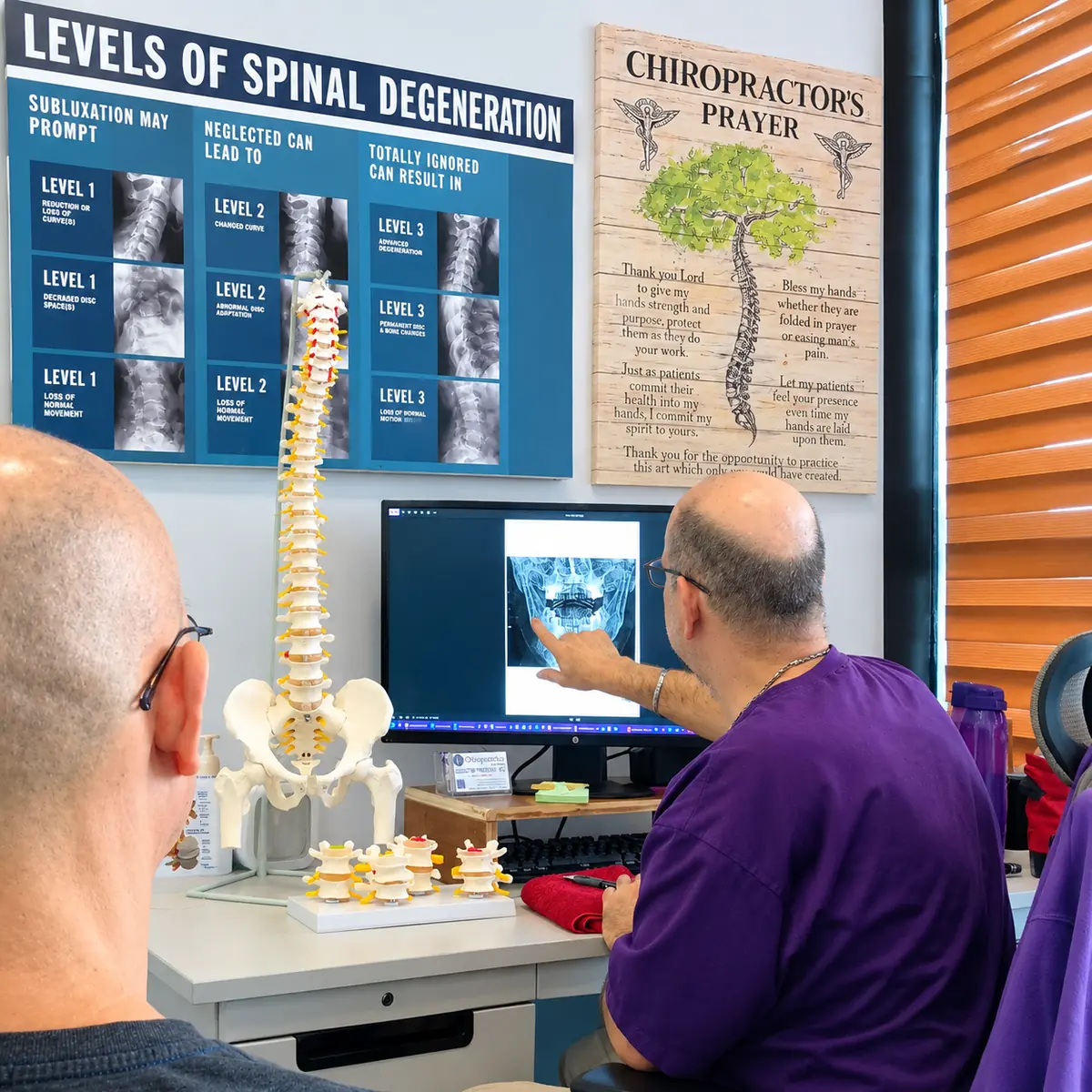
When discomfort starts limiting everyday life.
People commonly visit us when pain, stiffness, or restricted movement begins affecting work, driving, sleep, exercise, or family activities.
Different tools for different needs.
The initial assessment helps determine whether chiropractic care is appropriate and which approach may make sense for you.
Chiropractic Assessments and Adjustments
Careful examination followed, when appropriate, by hands-on techniques intended to support joint movement, comfort, and function.
Learn about chiropractic care →Posture, Mobility and Function
Movement-focused assessment and practical guidance for concerns related to work, daily activities, exercise, or reduced mobility.
Learn about mobility care →Spinal Decompression
A non-surgical, table-based service that may be considered for selected patients after suitability and safety screening.
Learn about decompression →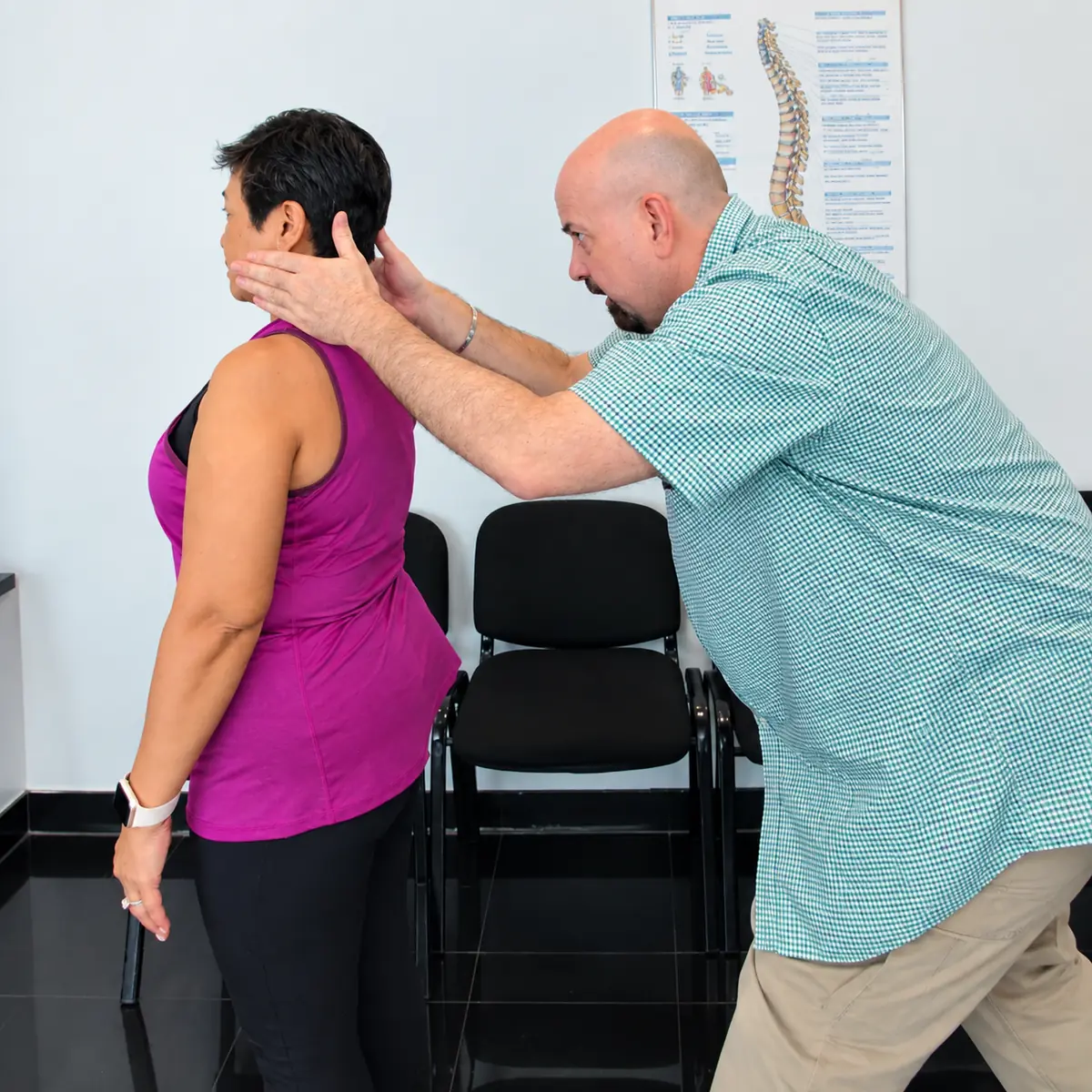
Chiropractic assessments and adjustments
When pain or stiffness disrupts daily life, we begin by understanding how it affects your movement, work, sleep, and normal routine.
When appropriate, chiropractic adjustments are hands-on techniques intended to support joint motion and function. The specific approach is selected according to the patient’s examination findings, comfort, and clinical needs.
- Back or neck discomfort
- Joint stiffness or restricted movement
- Posture-related strain
- Tension that may be associated with restricted neck movement
We discuss your symptoms and history, assess relevant posture and movement, and explain our findings before recommending care. Results vary from person to person.
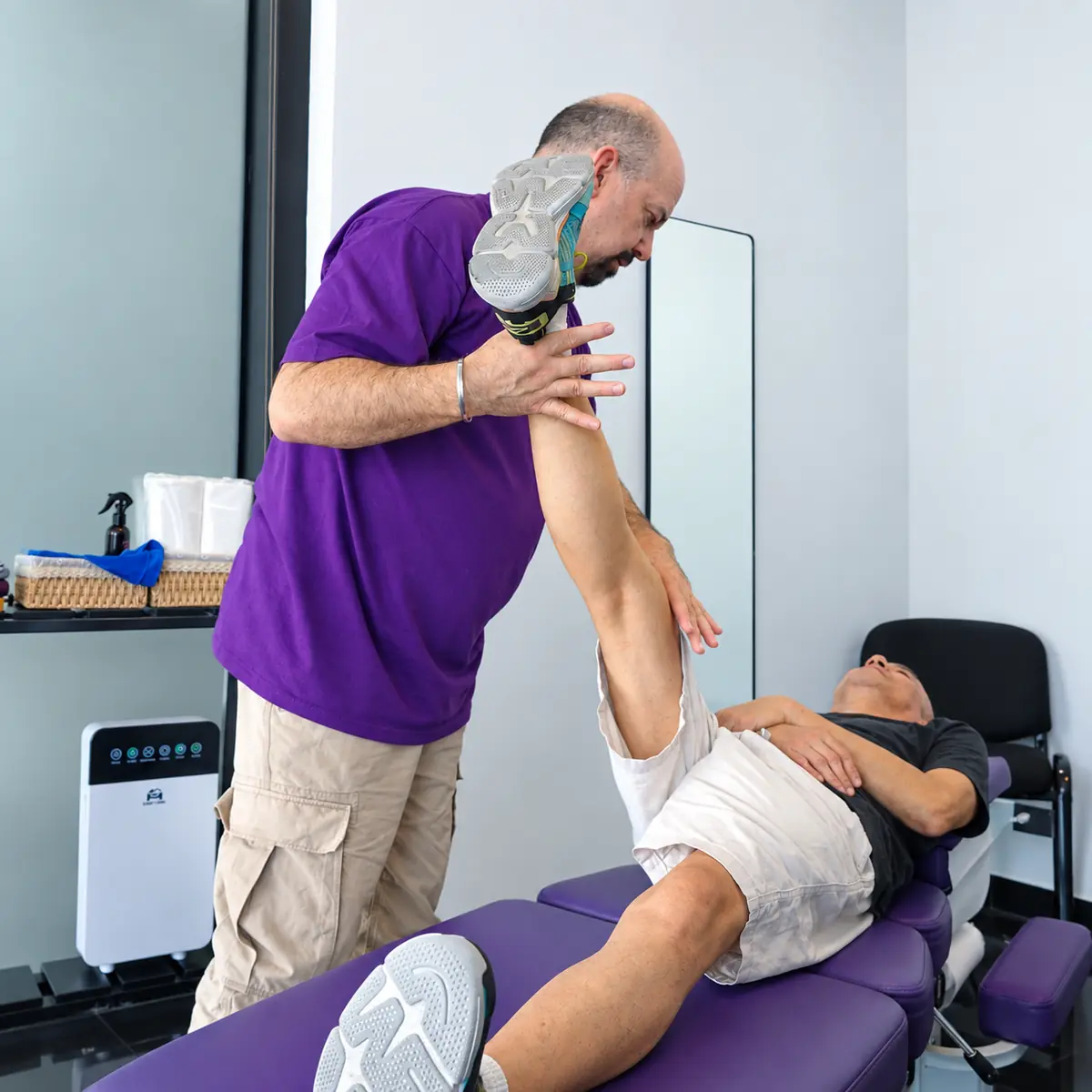
Posture, mobility and function
Posture and movement habits can influence comfort, mobility, and how the body handles everyday demands. We look at how you sit, stand, bend, walk, and move during the activities that matter to you.
- Office workers managing stiffness from prolonged sitting or computer use
- Active individuals and weekend warriors working toward mobility goals
- Seniors seeking to remain comfortable, independent, and mobile
- People returning to activity after injury or with appropriate medical clearance
Recommendations are based on your examination, current abilities, daily activities, and goals. Progress is reviewed so care can be adjusted according to your response.
Spinal decompression
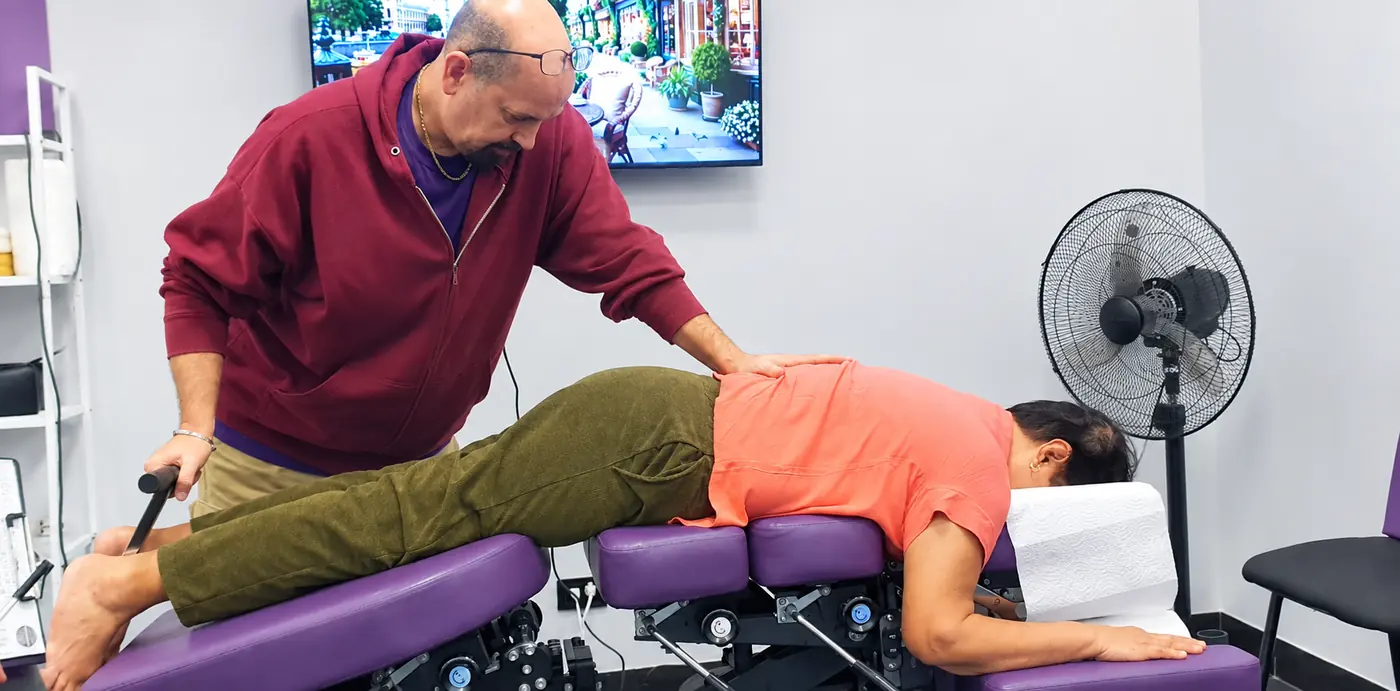
Spinal decompression is a non-surgical, table-based service that may be considered when a patient’s symptoms and examination findings suggest it could be appropriate.
- Suitability and safety screening before treatment
- A clear explanation of the purpose and available alternatives
- Recommendations tailored to examination findings and response
- Ongoing review of comfort and progress
Spinal decompression is not suitable for everyone. If another healthcare provider, additional testing, or a different approach would be more appropriate, we will explain that clearly.
Care adapted to your stage of life and activities.
Recommendations should reflect the person—not simply the symptom written on a form.
Assessment of posture, movement, and discomfort associated with prolonged sitting, computer work, and daily commuting.
Care focused on movement, mobility, recovery needs, and returning comfortably to valued activities.
An approach adapted for comfort, stiffness, mobility, health history, and maintaining everyday independence.
Pregnancy-aware positioning and approaches selected according to the patient’s stage of pregnancy and individual health needs.
Assessment comes before treatment.
You should understand what is being recommended and why before care moves forward.
We listen
We discuss your concerns, history, activities, and goals.
We assess
We examine the areas and movements relevant to your concern.
We explain
We describe what we find and answer your questions clearly.
We recommend
If care is appropriate, we discuss options based on your findings and goals.
Not sure which service you need? You are not expected to diagnose yourself.
The initial assessment is designed to determine whether chiropractic care may be appropriate and which next step makes sense. If your findings indicate that another kind of evaluation should come first, we will tell you.
Start with an initial assessment.
Tell us what is bothering you, and we’ll help you understand the appropriate options.